Michelle Grabner Interview
Michelle Grabner: Rythms, Wholes, and Our Heirarchies
Artist Interview by GGLA
GGLA: What is your relationship to Kitchen Frenzy by Anna and Bernhard Blume, and what drew you to echo its depictions of domestic disorder in this installation?
Grabner: The Blume’s played with the stabilizing signifiers of the German middle class, highlighting complicity in late 20th’s century distorted and oppressive consumer culture. As a critique the Blumes humorously unsettled and disorganized the conditions of domestic life. As an artist who has spent nearly four decades rearticulating domestic patterns and lowly cultural artifacts, I too feel a critical obligation to expose the absurd, the excessive and the abstract in the familiar and the domestic.
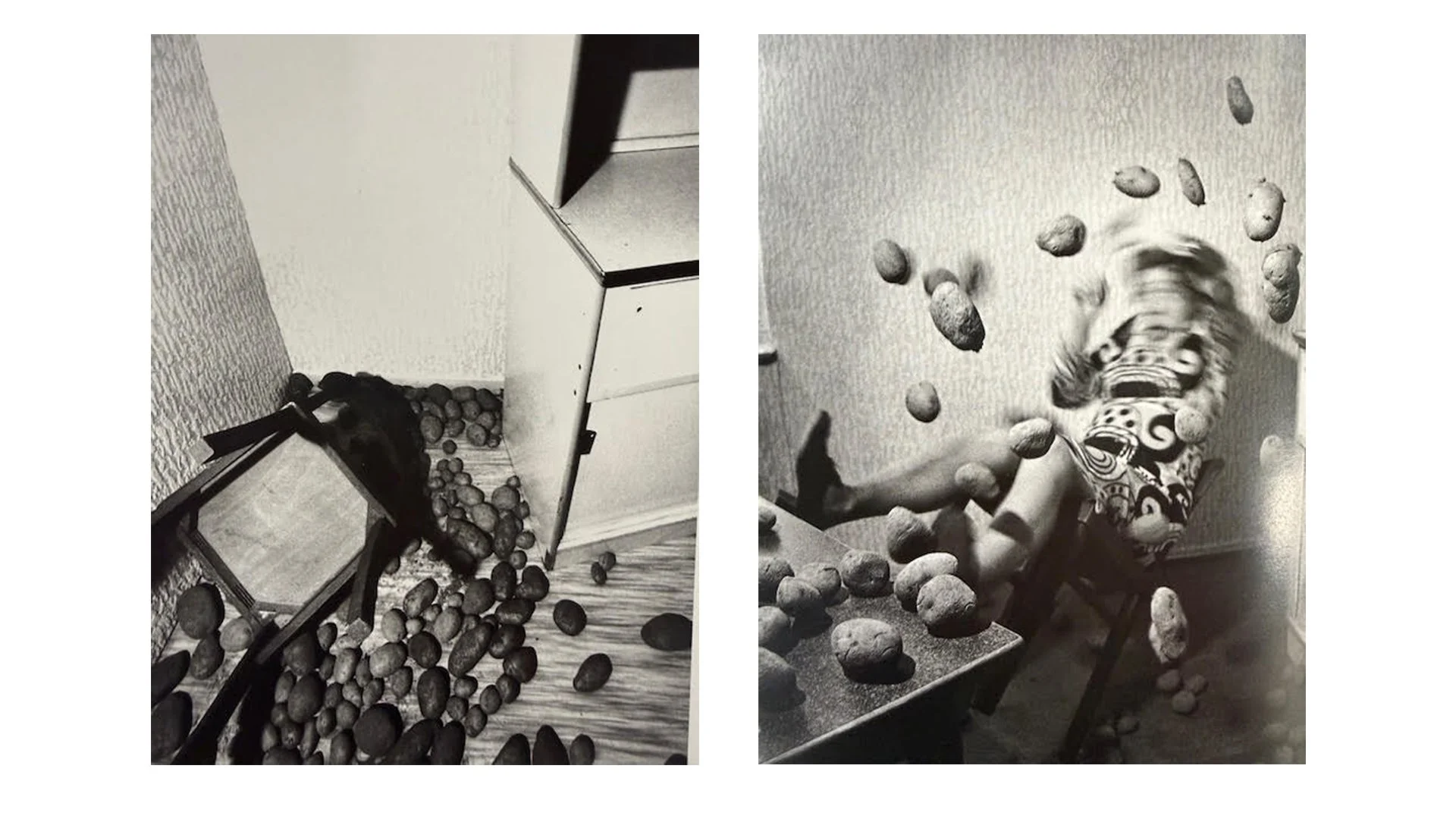
Pictured: Photos from “Kitchen Frenzy” Photography series by Anna and Bernhard Blume. 1986.
GGLA: What do multi-piece units allow you to communicate that a single work cannot, particularly in terms of immersion within a space?
Grabner: The installations foreground over-production and suggest industrial-scale production and its labor. They also provide the opportunity to explore more complicated relationships to rhythms, wholes, and hierarchies. Discrete works can do this too, but deploying disorganization with multiple elements reminds us that forms do not live alone but in relationships to other forms. Moreover these sorts of installations evoke chance conditions and suggest change, all those things that are unnerving and antagonistic to domestic order.
GGLA: In a culture shaped by daily rituals and repetition, do you think we place enough importance on reconsidering and redefining our assumed roles—and how does your work engage with that?
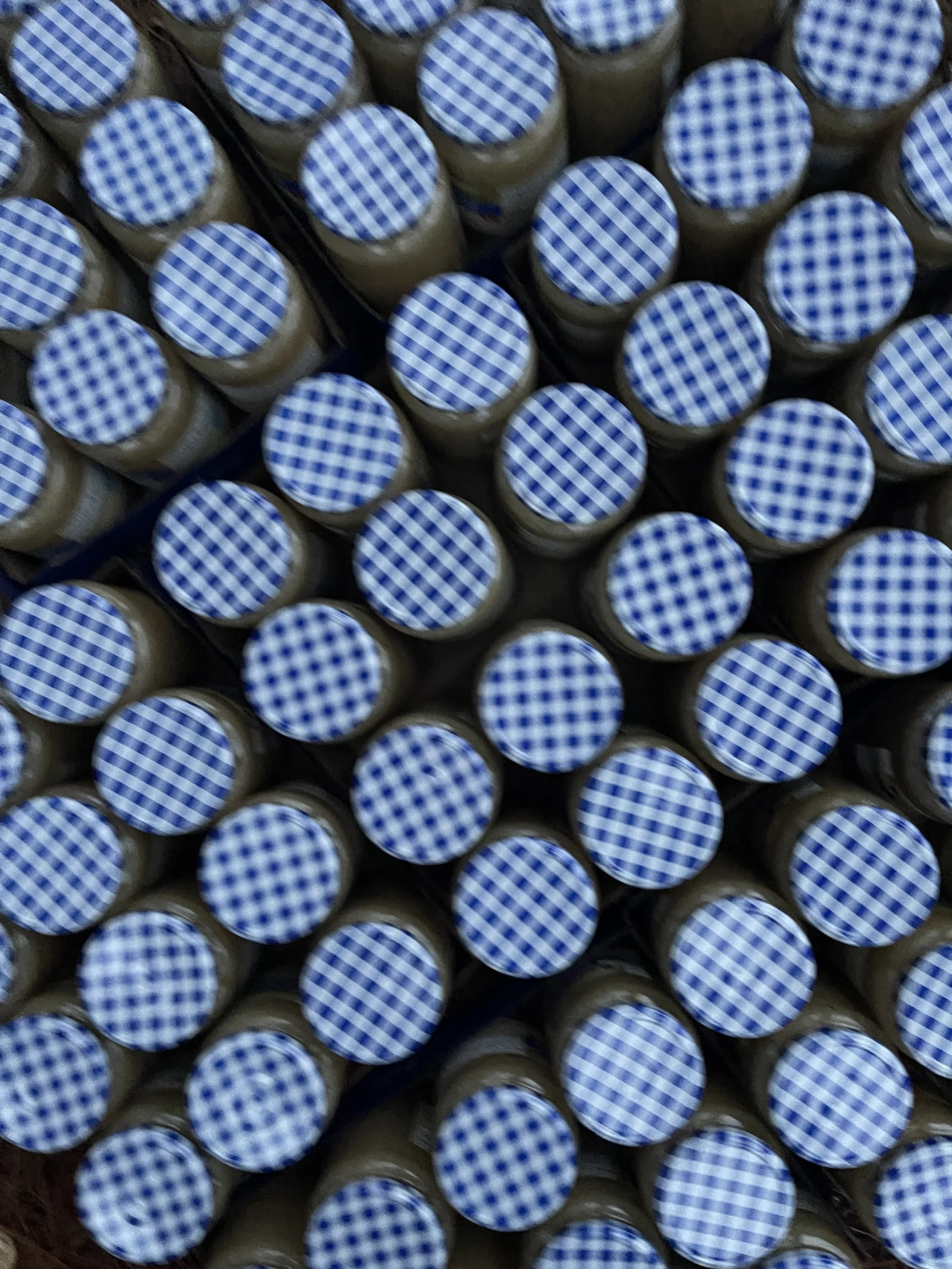
Grabner: Repetition is often dismissed as useless unless it can be commodified as ritual or lifestyle. My interest in repetition lies in its ability to structure time, reveal cycles, and expose the systems of order and control embedded in pattern-making, including both the opportunities and inequities these systems produce.
GGLA: How do patterns function in your work as a way of reflecting or structuring everyday life?
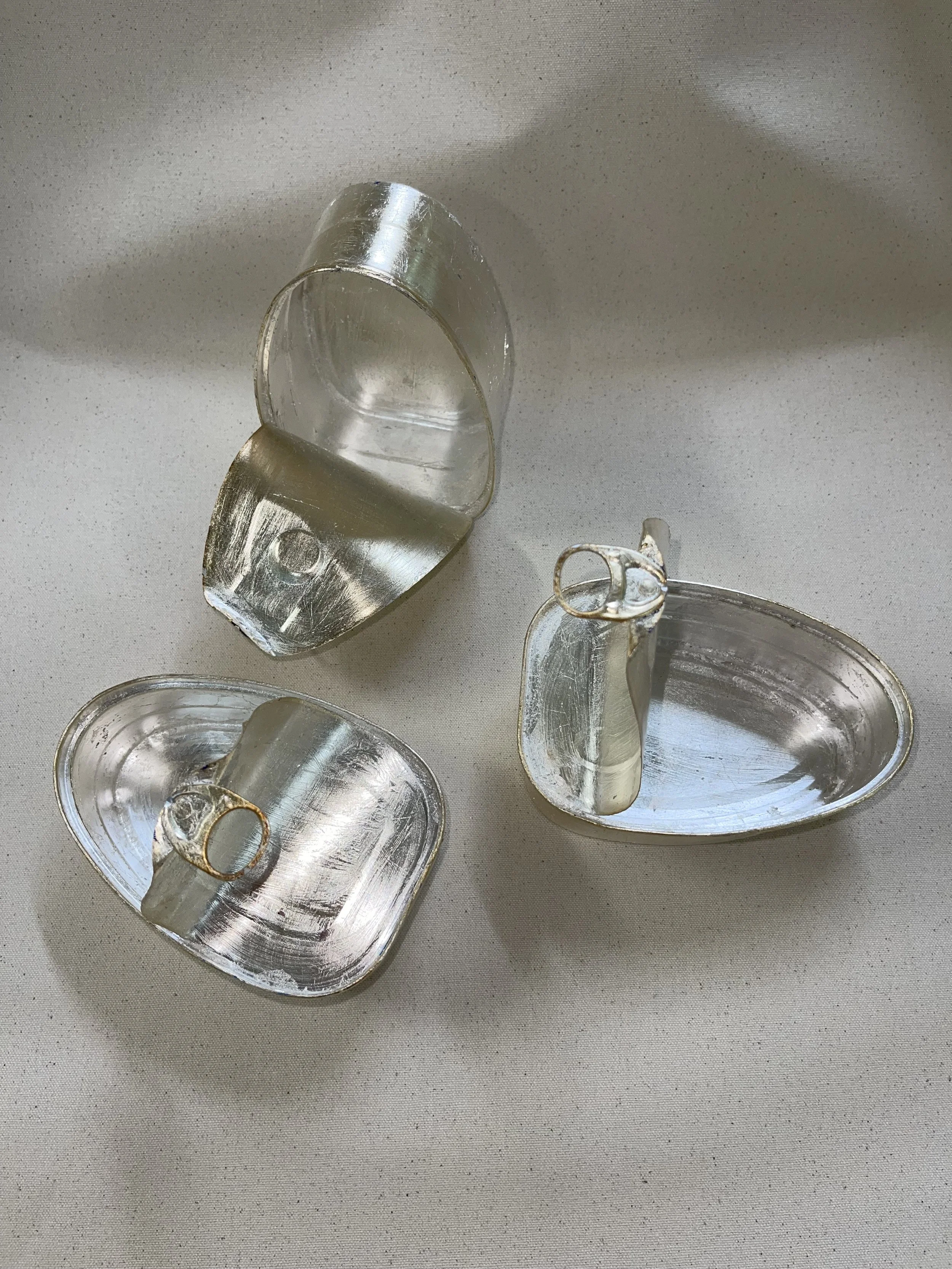
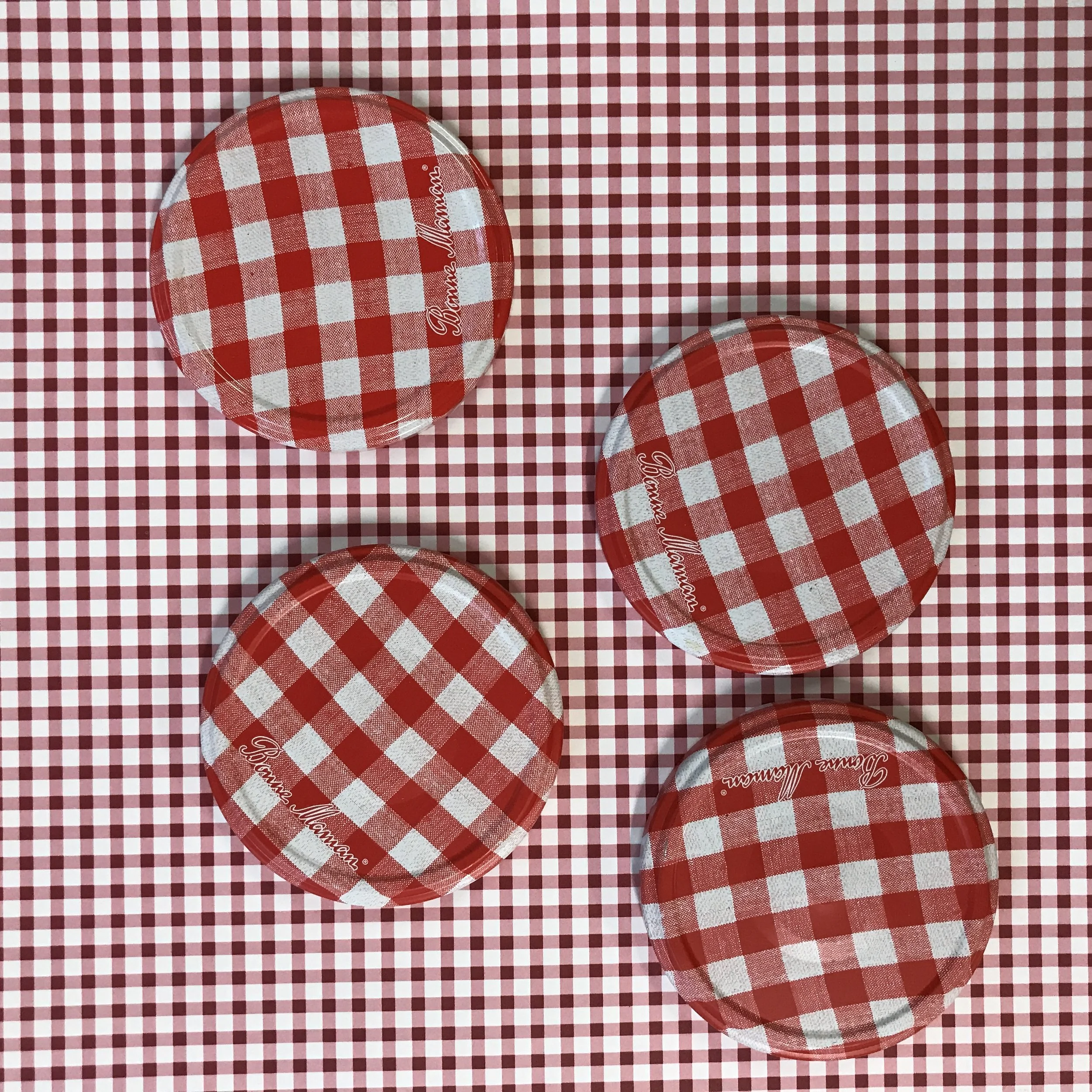
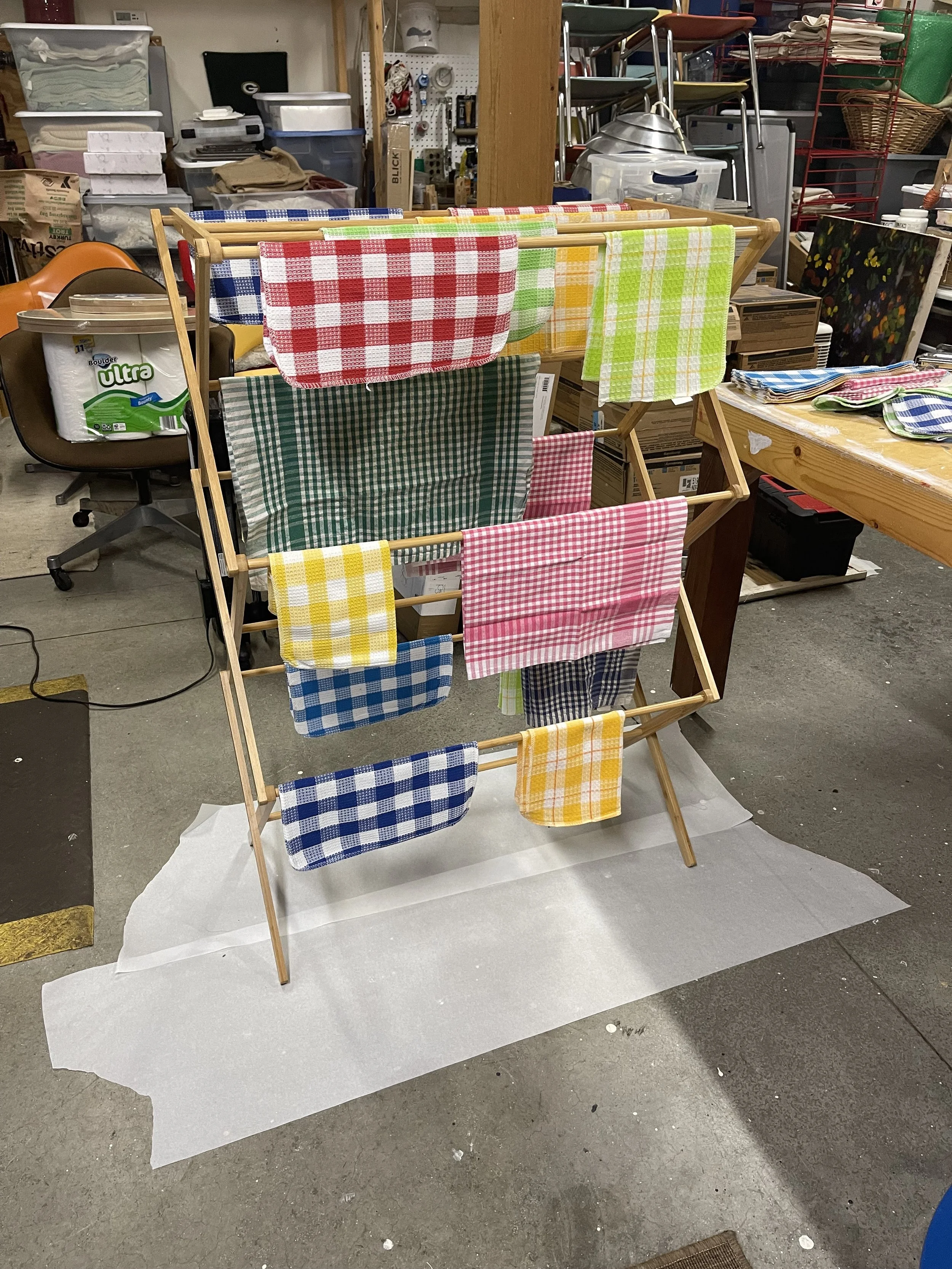
Grabner: They do exactly that, structure my days, months and years. Repeating motifs in painting or sculpture punctuate, clash, and overlap with the academic school year or my writing deadlines and curatorial work. In that way patterns are the cadence to all my work and to my imagination. Patterns are exceptional at holding things together but they are also very good at highlighting disruptions and anomalous thinking.
GGLA: Are there aspects of daily life you once took for granted that now feel especially pronounced or visible in your work?
Grabner: Indeed. This has to do with no longer having children in the house. From 1987 until just recently, my relationship to my studio work was structured around my proximity and responsibility to children. Without that framework, I’ve developed a frantic, almost pathological compulsion to overproduce—something like a perverted version of empty nest syndrome. I certainly don’t lament that my children are grown and out in the world, but I do miss the structure and sense of priority they brought to my days.
GGLA: What draws you to replicated, manufactured objects—like brooms—and their assumed uniformity? Do these objects shift in meaning when placed within the context of daily ritual or art?
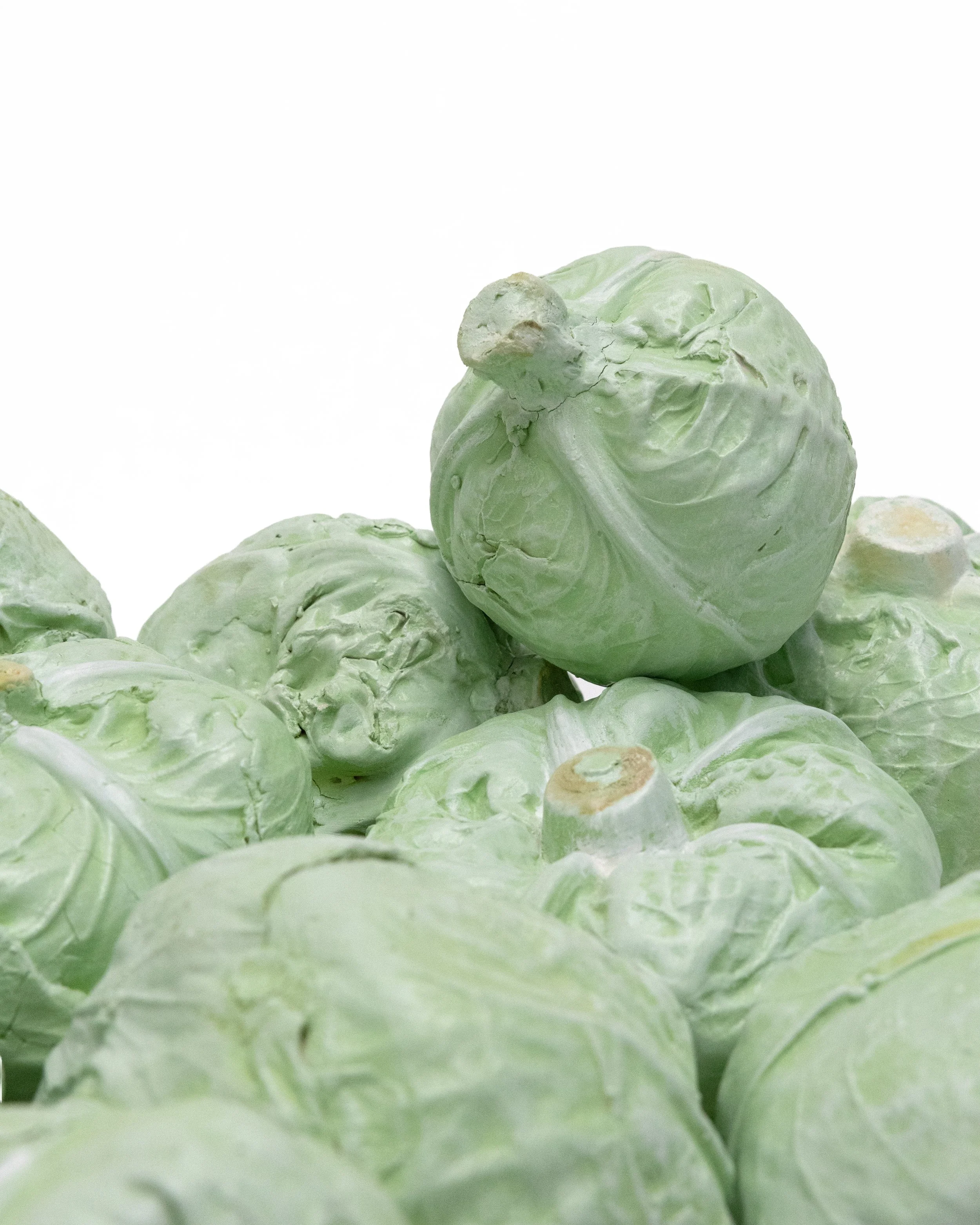
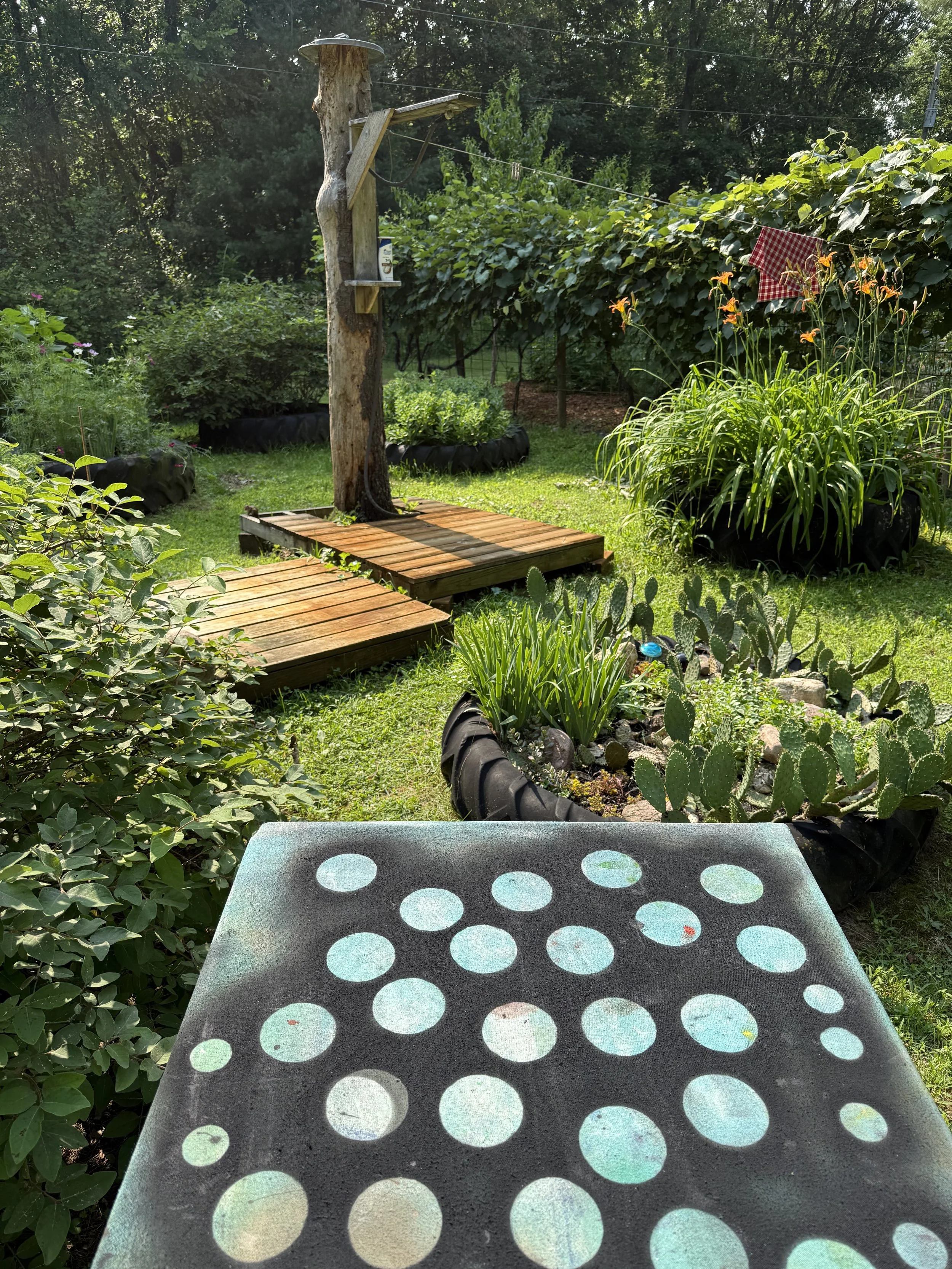
Grabner: Because I ruminate deeply on form, my hope is that through my translations of common objects that viewers too can identify social, economic, or political systems. And at the very least I hope that viewers can simultaneously hold various ideas in mind when viewing the work. Take for instance the cast brooms in one of the installations at GGLA: one can contemplate labor and the class of workers assigned to janitorial work. The brooms may also simply be a collection of misaligned, no-vertical lines intersecting multiple green spheres (cabbages) suggesting abstract ideas such as containment, chaos, and excess.
GGLA: What guides your choice of materials and mediums when developing a body of work?
Grabner: I have always considered myself a conceptual artist. In the tradition of Sturtavant, Vija Celmin, Marjorie Perloff, Kenneth Goldsmith and even DuChamp, I also think of myself as an “unoriginal” artist, meaning that I do not invent entirely new forms, but instead translate, appropriate, and stretch existing or found forms. That said, when an opportunity is offered to me, say at Kohler Company in their pottery division or at Pilchuck, I will always say yes, and see if different forms of material production can augment or break my line of thinking.
GGLA: You’ve said that all art is inherently political—how does that idea operate within this installation and these groupings of objects?
Grabner: The work here is an attempt to create certain possibilities and limitations for what form can do and how it can organize power and behavior. Form is always about order and order is always political.
GGLA: What do you think is most often misinterpreted about your intentions in these sculptures?
Grabner: Most people think the work is about me. That somehow cabbages and potatoes are important to my identity. I find that funny and troubling on so many different levels. Better that we spend our time assessing unified structures and overlapping forms or how verticals and horizontal arrangements organize and contain power, than consuming artistic identities.